
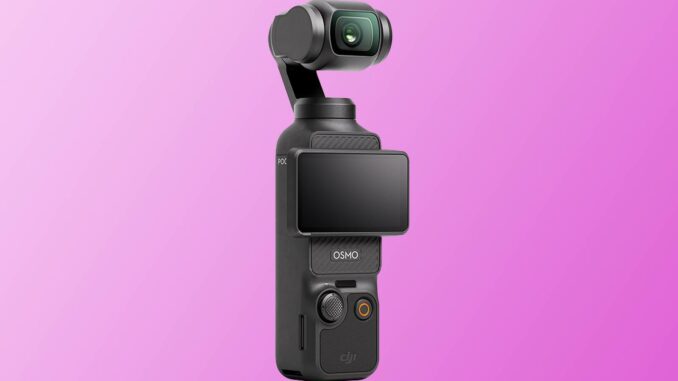
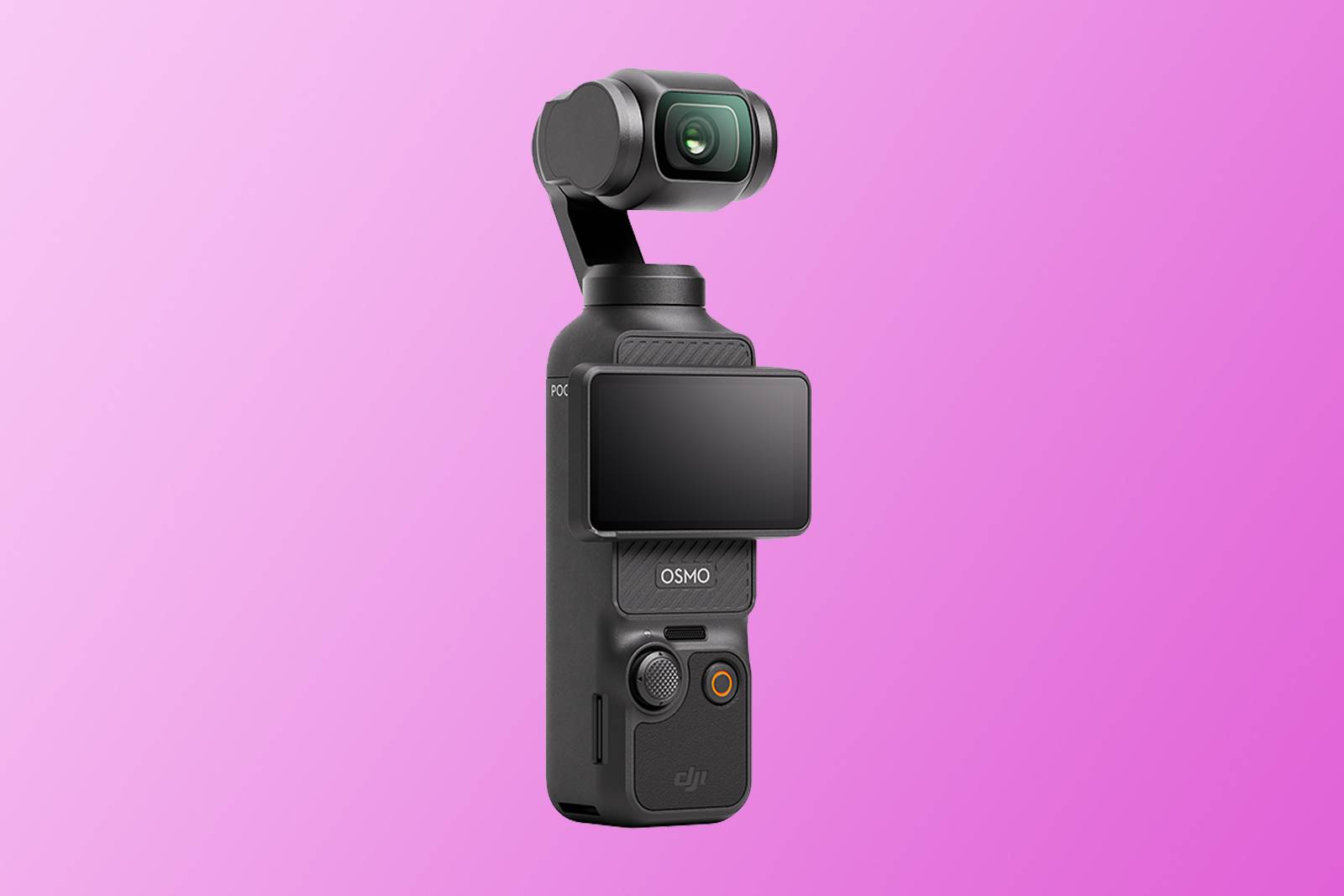
When DJI introduced both the DJI Osmo Pocket and the DJI Osmo Mobile 2, creators suddenly had two powerful ways to level up their videos. Both promise silky-smooth footage and creative flexibility — but they’re built for different kinds of storytellers.
If you’re trying to decide between them, let’s break it down in a simple, honest way so you can feel confident about your choice.
If portability is high on your list, Osmo Pocket immediately stands out.
Weighing just 116g, it truly lives up to its name. It slips into your pocket, jacket, or small bag without a second thought. You can pull it out and start filming in seconds — no balancing, no extra gear required.
Osmo Mobile 2, at 485g, is heavier but still travel-friendly thanks to its foldable design. It’s compact enough for backpacks and carry-ons, but you’ll definitely feel the difference compared to the Pocket.
Quick takeaway:
Want something ultra-light and always-ready? → Osmo Pocket
Don’t mind carrying a bit more for smartphone flexibility? → Osmo Mobile 2
Contents
Standalone vs. Smartphone-Dependent
This is one of the biggest differences.
Osmo Pocket is a complete camera system. It has its own built-in 1.08-inch touchscreen and doesn’t need a phone to function. You can film, review clips, and switch modes right on the device. When you do connect it to your phone via the Universal Port, Wi-Fi (up to 10 meters), or Bluetooth, the DJI Mimo app unlocks more editing and sharing tools.
Osmo Mobile 2, on the other hand, can’t operate alone. It’s a gimbal — not a camera. You must attach your smartphone and use the DJI GO app to unlock its features.
If you want independence from your phone, the choice is clear. If you love your phone’s camera and just want it stabilized, Mobile 2 makes perfect sense.
Setup & Ease of Use
Osmo Pocket turns on instantly and doesn’t need balancing. Just power it up and start shooting.
Osmo Mobile 2 requires you to mount and balance your smartphone before use, then connect via Bluetooth. It’s still straightforward, but there are a couple more steps involved.
For spontaneous moments — kids laughing, street performances, unexpected sunsets — that faster startup can really matter.
Both devices feature a 3-axis mechanical gimbal, delivering impressively smooth footage even while walking or moving.
Image Quality Differences
Osmo Mobile 2: Image quality depends entirely on your smartphone. This can be a big advantage if you own a flagship phone with strong camera performance.
Osmo Pocket: Includes a dedicated camera with a 1/2.3-inch sensor, 80° wide-angle lens, and f/2.0 aperture. It records 4K video at 60fps (100 Mbps) and captures 12MP photos. You get consistent, reliable quality no matter what phone you use.
If you love experimenting with phone upgrades, Mobile 2 evolves with you. If you prefer a self-contained system, Pocket keeps things simple.
Battery Life
Here’s where Osmo Mobile 2 really shines.
Osmo Pocket: Up to 140 minutes of recording (standalone use), plus fast charging to 90% in about an hour.
Osmo Mobile 2: Up to 15 hours of battery life.
If you’re filming events, long travel days, or extended shoots, Mobile 2 offers serious endurance.
Smart Features (Both Have These)
No matter which you choose, you’ll enjoy:
ActiveTrack – Automatically follows your subject.
Timelapse & Motionlapse – Capture city lights or sunsets in style.
Panorama – 3×3 stitched panoramas or sweeping 180° shots.
Low-Light Stability – The 3-axis gimbal keeps footage steady even without a tripod.
These shared features make both tools incredibly creative.
What Makes Osmo Pocket Special
Osmo Pocket includes several exclusive features:
FPV Mode – The camera follows your tilt and movement for immersive, dynamic footage.
Ultra-Wide Selfies – Capture more background in your frame.
FaceTrack – Automatically detects and keeps your face centered.
Dedicated Accessories – Wireless module, waterproof case (up to 60m), and more expansion options.
DJI Mimo App (My Story & Story Mode) – Built-in editing templates that help you create polished videos in minutes, even if you’re just starting out.
For vloggers, solo travelers, and creators who love personality-driven footage, these extras make a big difference.
Final Thoughts: Which Should You Choose?
Here’s the honest breakdown:
Choose Osmo Mobile 2 if:
You love your smartphone camera.
You want extremely long battery life.
You’re mainly stabilizing footage you’d shoot on your phone anyway.
You want a budget-friendly gimbal solution.
Choose Osmo Pocket if:
You want an all-in-one camera that works independently.
Portability is everything.
You create vlogs, travel videos, or dynamic personal content.
You want advanced features like FPV mode and FaceTrack.
Both are fantastic in their own way — it really comes down to how you like to create. If you tell me what kind of videos you’re planning (travel, YouTube, family events, etc.), I’d be happy to help you narrow it down even further.